
AI SEO Generator For POD Listings: Bulk-Optimize Product Info For Higher Search Rankings
Overview: Learn how the Bulk POD Product Creator uses AI to analyze artwork and generate SEO-rich titles, descriptions, and tags for print-on-demand products—at scale. This post explains the dual-layer metadata system, the workflow for bulk optimization, and why AI-driven product info outperforms manual SEO writing for visibility, ranking, and conversion.
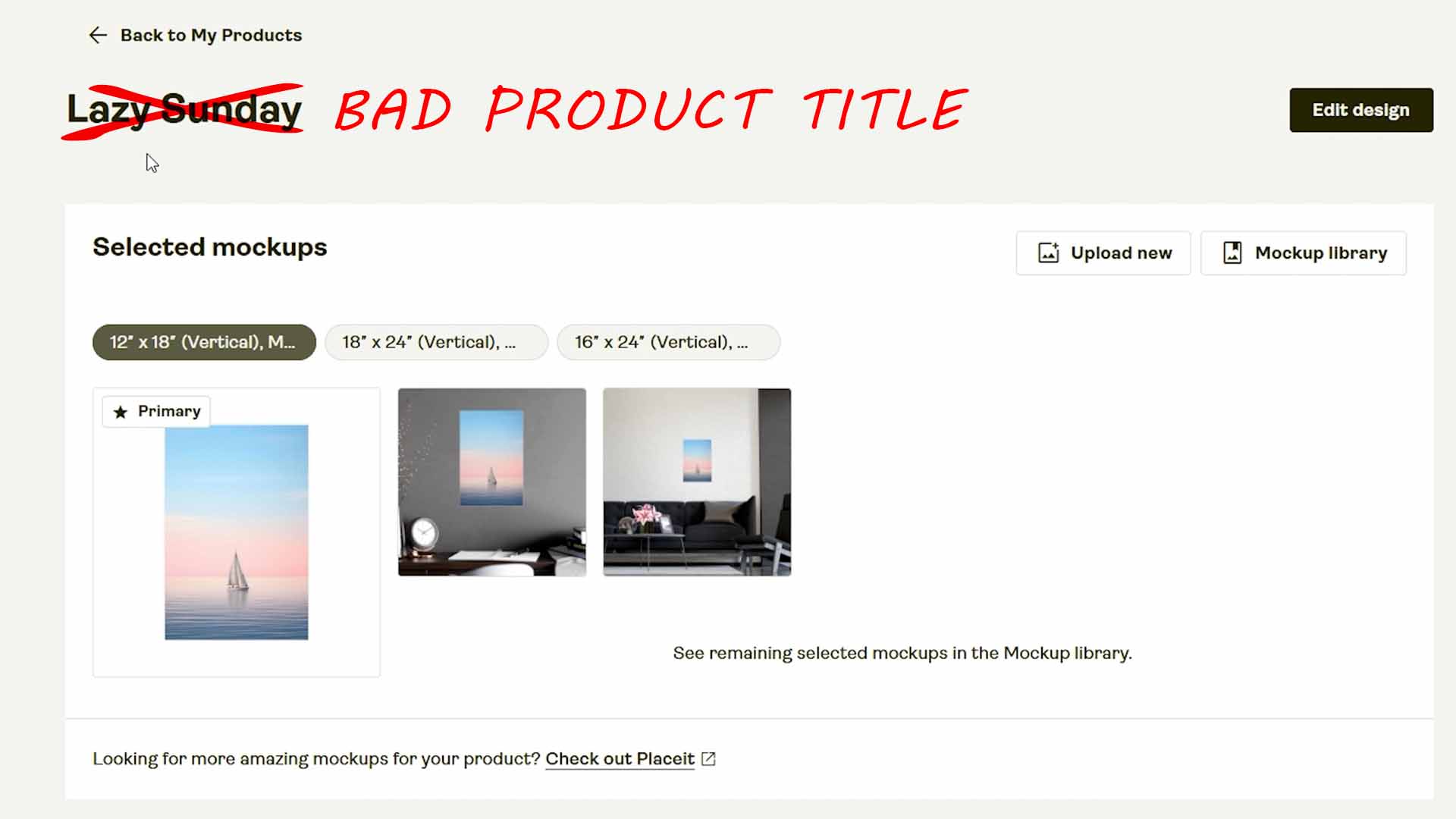
Introduction — Why Most Print-On-Demand Products Don’t Rank In Search Engines
Here’s the uncomfortable truth: most print-on-demand listings disappear in search results not because the designs are weak, but because the metadata is. Titles repeat generic phrases, descriptions say little about the actual artwork, and tags don’t reflect what’s visibly in the image. Search engines and marketplace discovery systems don’t “see” your art — they index your text. If your titles, descriptions, and tags don’t clearly describe what’s in the artwork, your products stay invisible.
Manual SEO writing doesn’t scale. Even a midsize catalog requires hundreds of accurate, image-specific titles and descriptions — a workload that leads to shortcuts, repetition, and inconsistency. The consequence is predictable: limited visibility, keyword overlap across your own listings, and fewer impressions than your artwork deserves.
The fix is to systematize metadata creation so it’s accurate, consistent, and derived directly from the artwork itself. That’s the foundation your rankings need — and it’s exactly what AI-powered, image-aware generation delivers at scale.
Introducing the AI SEO Generator Tool for POD Listings
In this mode, the Bulk POD Product Creator functions as an AI metadata generator for print-on-demand catalogs. Its job is simple and precise: It creates the POD products for your store, then it analyzes each artwork image you provide and writes titles, descriptions, and tags based on the visible content of that image — in bulk.
Key outputs for every product:
- Titles — concise, visually descriptive, and aligned with what’s actually depicted (subjects, motifs, readable text within the artwork).
- Descriptions — natural, longer-form language that explains the artwork’s subject, style, mood, and notable details a shopper would care about.
- Tags — terms derived from the same visual cues (subjects/themes/styles/embedded wording), reflecting how the artwork would reasonably be described.
Crucially, this runs in bulk. Instead of hand-writing copy line by line, you point the system at a batch of images and receive artwork-grounded titles, descriptions, and tags for all of them — fast and consistently.
How AI Generates SEO-Rich Titles, Descriptions, and Tags For Your POD Products
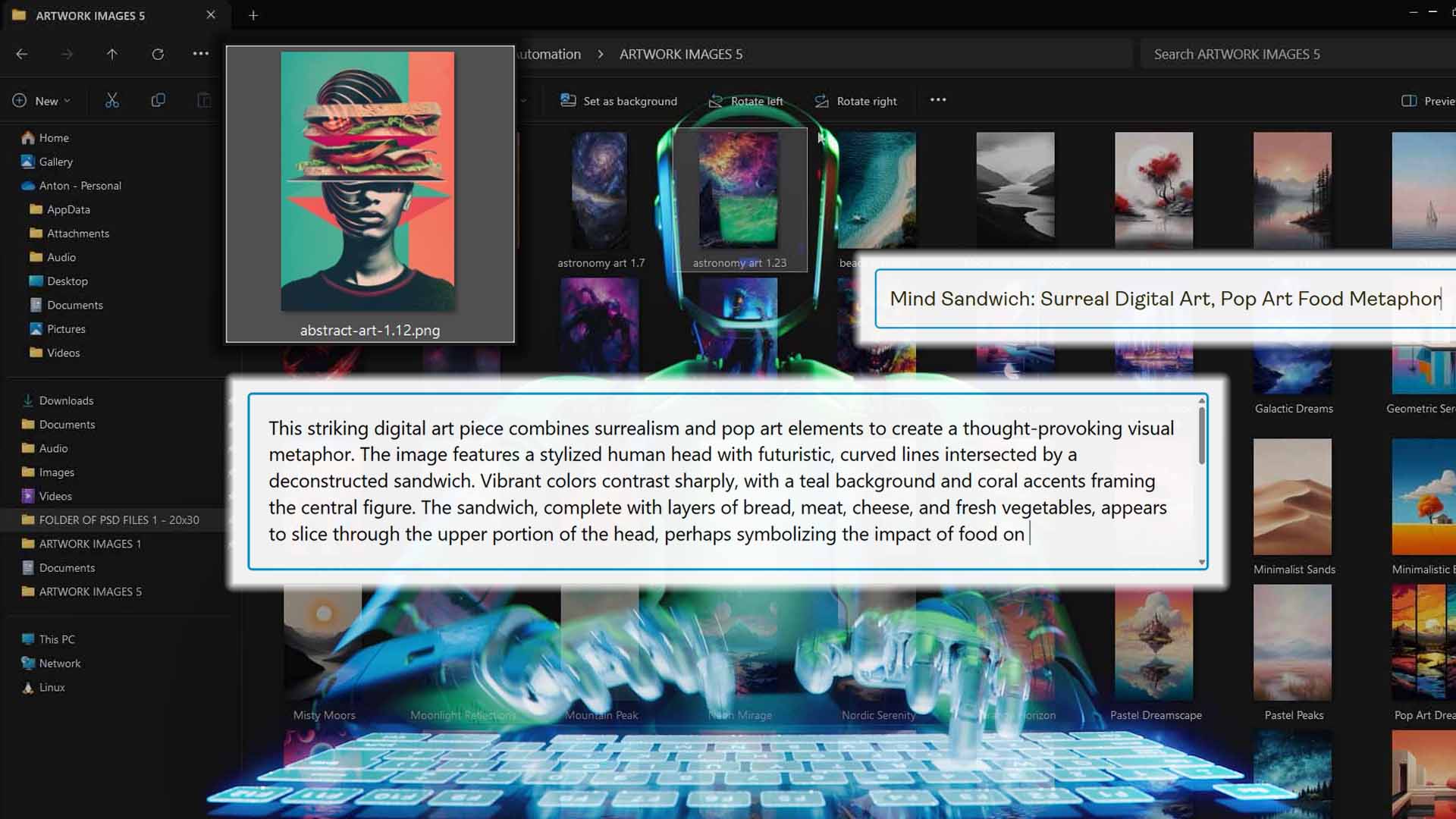
This workflow is grounded in one principle: describe what’s truly in the image. The AI does not pull from external keyword databases or market trend feeds; it looks at the artwork you upload and writes text that accurately reflects what it sees.
Artwork Analysis
The system inspects each image to identify:
- Subjects/objects (e.g., “snow-capped mountains,” “tabby cat,” “sunflower bouquet”).
- Themes/tone (e.g., playful, serene, gothic).
- Style (e.g., minimalist line art, watercolor, retro/80s poster).
- Color cues or prominent palette notes when visually meaningful.
- Embedded text present within the artwork (quotes, slogans, typography).
Language Generation (Grounded in Visuals)
Using only what’s derived from the image, the AI drafts:
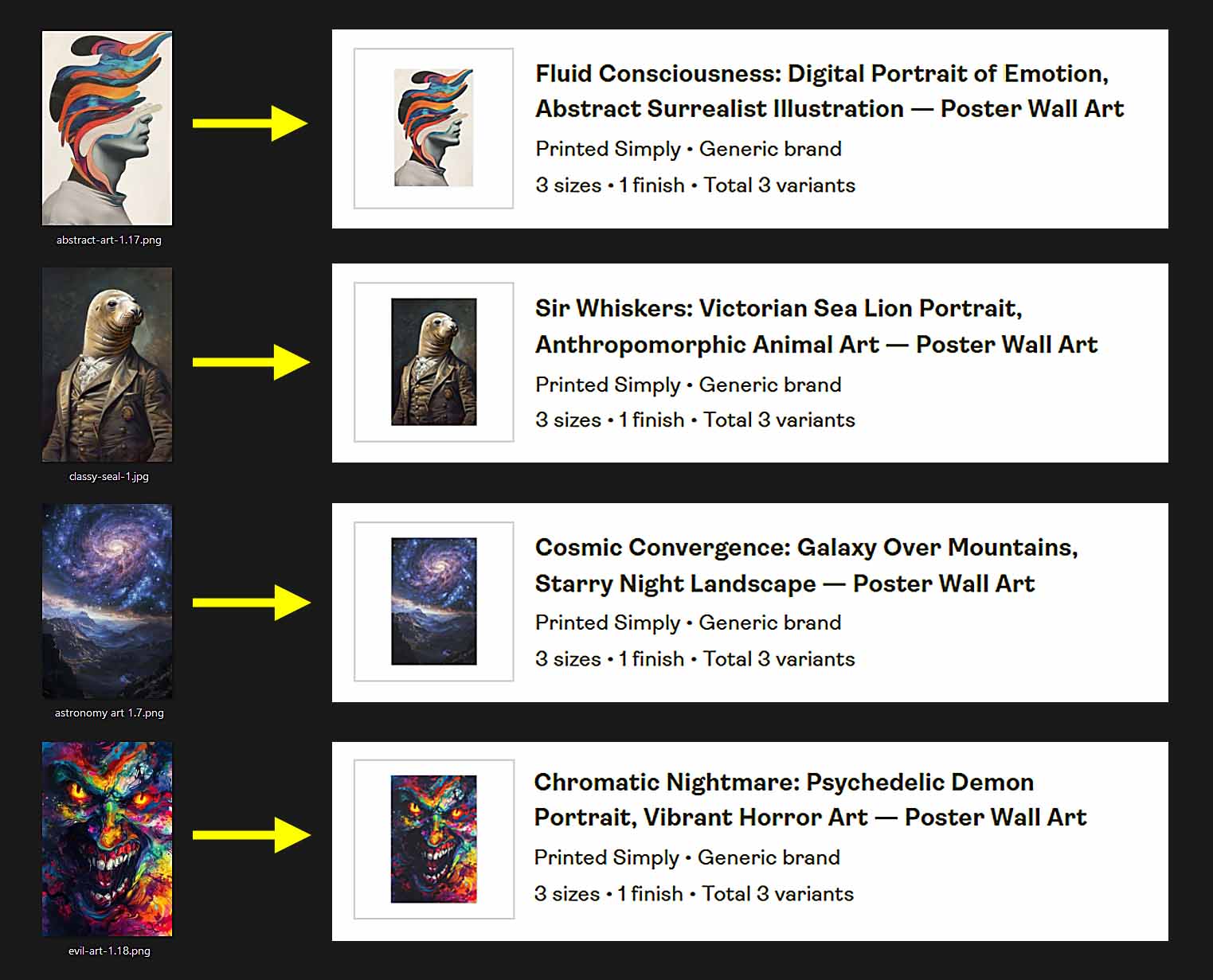
- A title that plainly and succinctly names the subject/theme/style visible in the artwork.
- A description that elaborates in natural language — what the image shows, the aesthetic, the vibe, and any readable words present in the design.
- Tags that mirror the same elements (subjects, themes, styles, readable words), keeping the tag set faithful to the artwork.
Formatting Rules You Control
You can set conventions for title casing, separators, and optional suffixes/prefixes. Descriptions can follow your preferred length and paragraph style. Tag lists can follow your ordering preferences.
Review & Consistency
Because generation is artwork-based, outputs remain consistent with the design itself. You can quickly scan and spot-check any listing; what’s written should match what’s visibly in the image.
AI Artwork-Specific Keywords + Custom Product-Level Keywords = Perfect Matches To User Search Queries
One of the most powerful aspects of the Bulk POD Product Creator’s SEO framework is how it allows AI-generated artwork-specific metadata to combine seamlessly with your own product-level customization. Together, these two layers form a complete, highly effective search-optimization structure that matches exactly how real shoppers search online.
At its core, the AI’s job is to describe the artwork itself — what’s visually depicted in the design. That gives every listing a foundation of image-accurate, semantically rich metadata. However, shoppers don’t just search for “what’s in the image.” They search for what kind of product it is — for example, “t-shirt,” “canvas,” “poster,” or “mug.” That’s where the second layer of customization comes in.
1. Titles — Artwork Context + Product Context
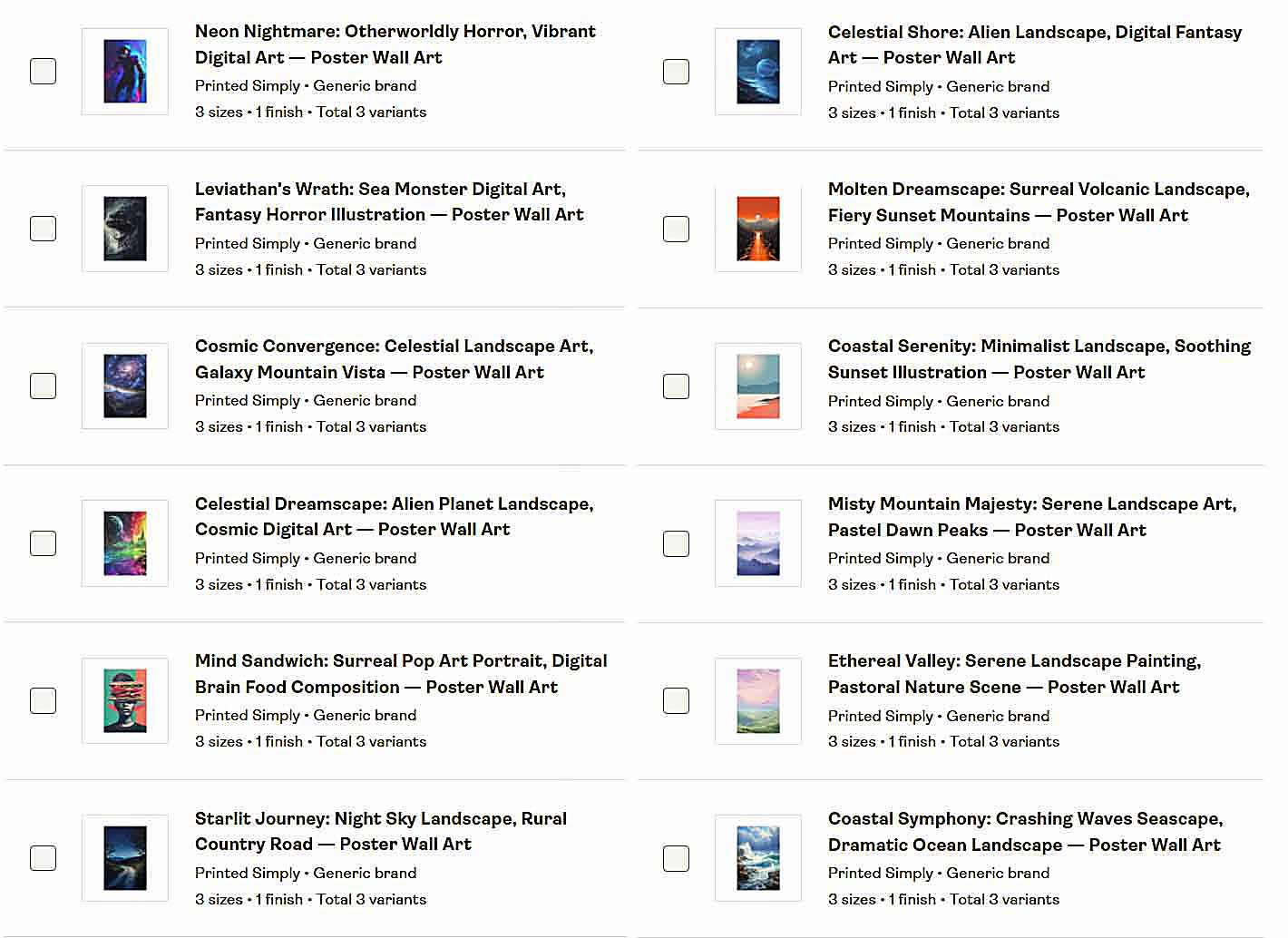
The system generates titles based on the visible subject, tone, and composition of each artwork. You can then prepend or append custom text that adds the product-level details.
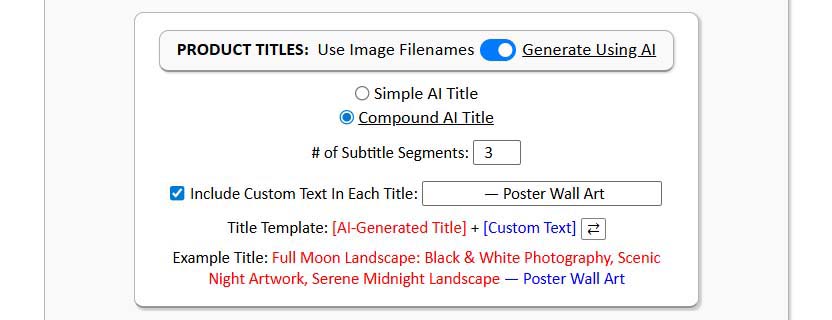
This structure creates two perfectly aligned halves:
- The AI covers the artwork-specific keywords (“abstract geometric pattern,” “vintage city skyline,” “cute fox illustration”).
- Your custom prefix or suffix covers the product-specific keywords (“— Canvas Print,” “— Coffee Mug,” “— Premium T-Shirt”).
By merging the two, each title now matches the exact phrasing of real-world search queries — “abstract geometric pattern canvas print,” “cute fox mug,” etc. Search engines recognize this as a high-intent keyword match between what users type and what your listing offers, improving both ranking relevance and click-through rate.

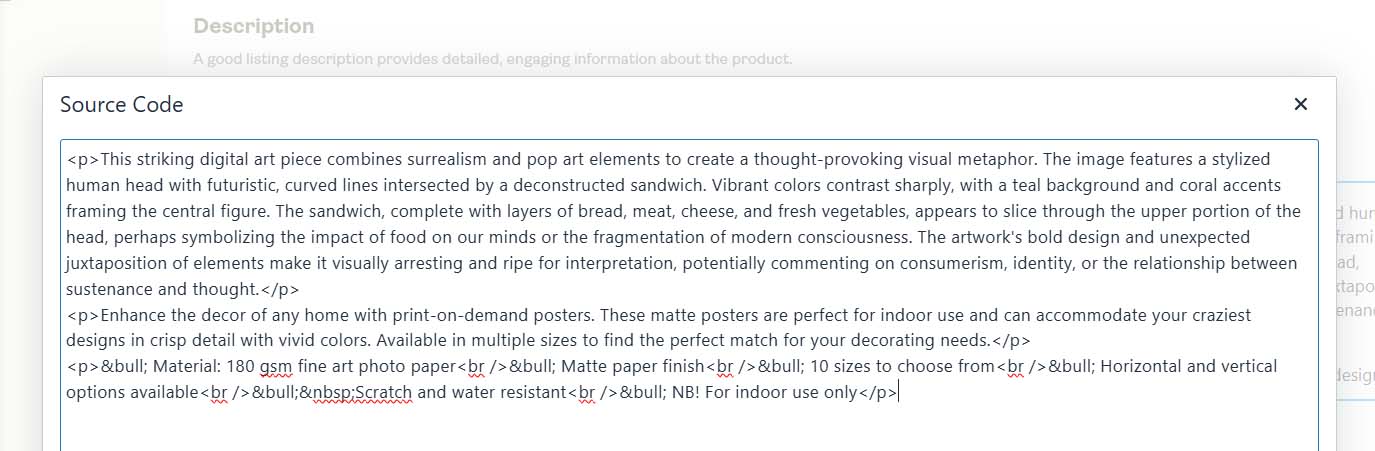
2. Descriptions — Combining AI Accuracy With Custom HTML Details
Each AI-generated description focuses entirely on the visual content of the artwork — describing what’s seen, how it looks, and the aesthetic qualities that define it. You can then append your custom HTML description block to cover universal product-level details like material, size options, or shipping notes.

This layered structure serves two complementary purposes:
- The AI-generated portion provides natural, semantically rich text that search algorithms favor for contextual understanding.
- The custom HTML block standardizes product information for consistency, brand trust, and easy scalability across listings.
Together, they create a description that is both algorithmically strong and user-friendly — visually descriptive, keyword-relevant, and structured for e-commerce readability.
3. Tags — Artwork Tags + Product Tags
The same dual-layer system applies to tags. The AI generates artwork-specific tags derived directly from visual analysis — subject, style, tone, and any text visible in the image. You can then add custom product-level tags such as “poster,” “canvas,” “print,” or “t-shirt.”
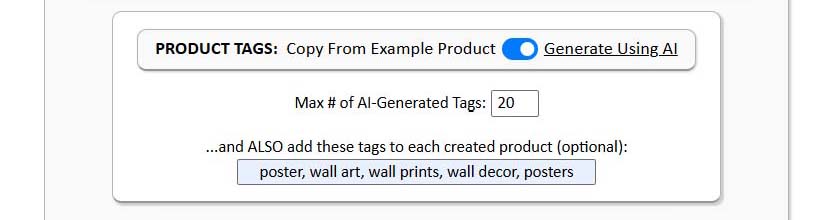
This layered tag structure ensures that each listing covers:
- Artwork-relevant searches (e.g., “botanical design,” “retro illustration”).
- Product-relevant searches (e.g., “wall print,” “home decor,” “gift idea”).
That combination helps listings appear in a wider range of search results — both for users browsing by product category and those searching for specific image types or styles.
4. Why This Dual-Layer Framework Works So Well For SEO
By merging AI artwork-specific outputs with consistent product-level inputs, each listing achieves:
- Perfect keyword alignment with real user intent (image content + product type).
- Broader search reach across long-tail and exact-match phrases.
- Higher content quality since every field reflects what’s truly in the product, not filler text.
- Scalability with precision — you can bulk-generate accurate listings while still tailoring them to your brand’s tone and product catalog.
The result is a catalog that’s not only automated but algorithmically favored — a store where every product has its own unique, search-optimized footprint that grows your organic traffic over time.
In short, the AI ensures accuracy and efficiency, while your custom inputs ensure market alignment and brand consistency. Together, they create listings that don’t just exist — they rank, convert, and scale effortlessly.

The Workflow — Bulk-Optimizing Your Entire POD Catalog
Running large-scale SEO optimization through the Bulk POD Product Creator is designed to be as simple as possible. The goal is to replace hours of repetitive text entry with a predictable, automated flow that delivers hundreds of optimized POD listings with no manual work.
- Upload Your Artwork Batch: Drag-and-drop your collection of designs. The system automatically registers each file as a product entry for processing.
- Select an Example Product: Choose an existing product to define your structure — pricing, variants, placement rules, and product type. This ensures that all generated listings inherit your preferred layout and formatting.
- Enable “AI SEO Generator” Mode: With one toggle, you activate the image-aware AI that will analyze every uploaded artwork and create corresponding titles, descriptions, and tags grounded in what’s visually present.
- Run the Generation: The system automatically processes every file and produces a full metadata set for each created listing. All text is tied directly to the artwork’s visual content.


What once took entire afternoons of copywriting now takes minutes. The new paradigm is simple: you upload the designs, and the AI handles discoverability.
Why AI SEO Generation Outperforms Manual Optimization
AI-driven optimization isn’t just faster; it’s systematically better. It eliminates the human fatigue, inconsistency, and repetition that creep into manual workflows.
- Keyword Coverage — Because the AI writes from each artwork’s unique features, your catalog gains broader keyword variety across listings instead of reusing the same phrases repeatedly.
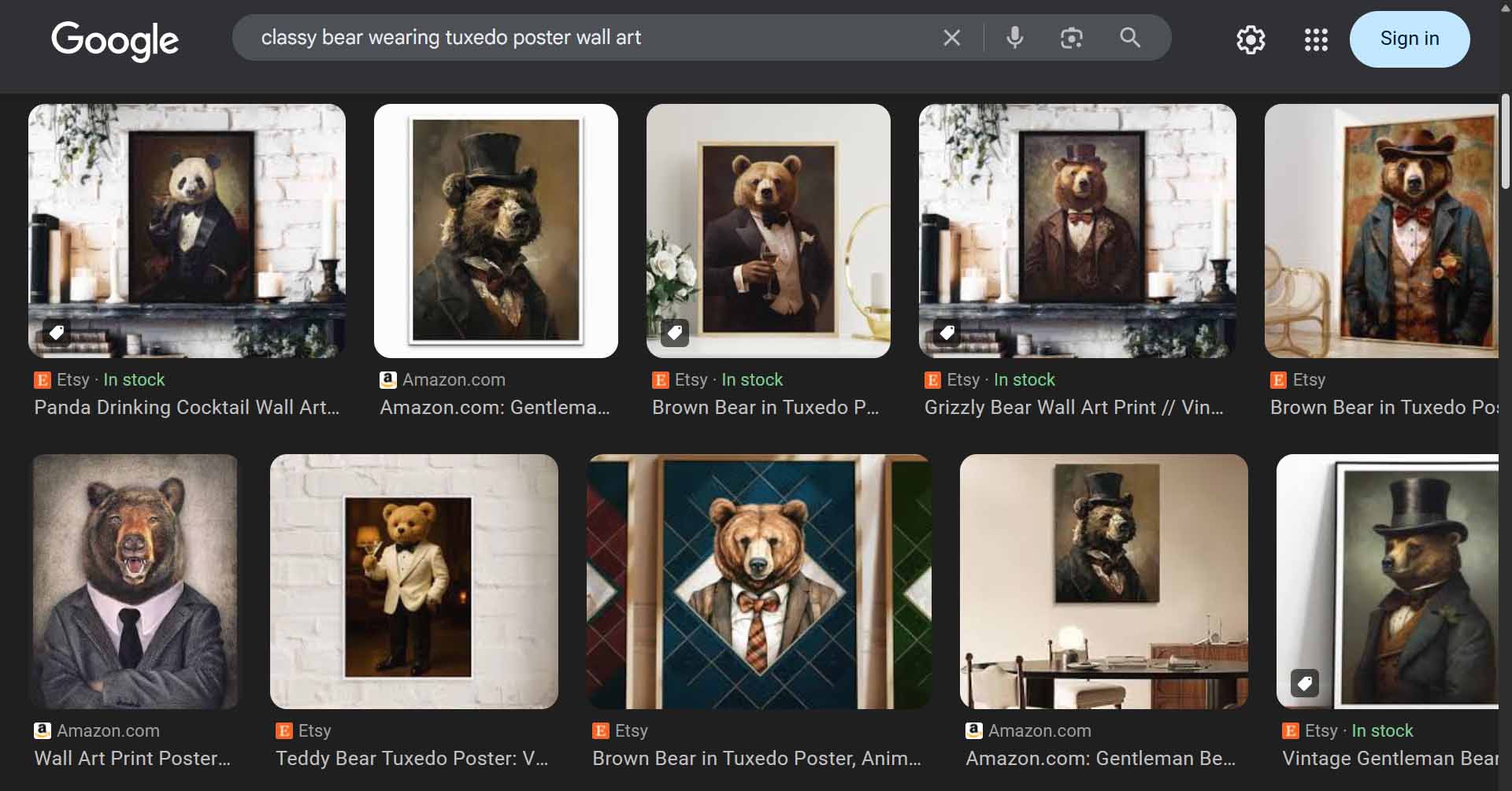
- Search Intent Alignment — Each title and description clearly state what the artwork shows, mirroring how buyers actually phrase searches (“modern abstract print,” “cute cat mug,” etc.).
- Algorithm Adaptability — The consistent formatting and structured metadata generated by the system are exactly what marketplace and search algorithms reward.
- Content Quality — The AI avoids keyword stuffing and keeps phrasing natural, improving both readability and conversion.
- Scale — Every new upload receives optimized text automatically, letting you expand your catalog without adding writing workload.
In short, the AI produces more accurate, more consistent, and more scalable metadata than any manual method can match.
Real SEO Outcomes — What POD Sellers Gain from Bulk Optimization
- More Search Visibility — Every artwork gains its own descriptive, keyword-relevant listing, increasing your catalog’s total footprint in search engines and marketplaces.
- Higher Click-Through Rates — Well-written, visually descriptive titles attract clicks because shoppers immediately understand what they’re seeing.
- Improved Internal Ranking — Clean, consistent metadata improves how your products surface inside platforms like Etsy or Shopify.
- Long-Tail Keyword Coverage — The AI’s image-based phrasing naturally introduces new keyword combinations, expanding your organic reach.
- Compound SEO Growth — Each new batch of optimized listings strengthens your store’s total indexing power, lifting older products as the catalog grows.
- Better User Experience — Shoppers read clear, accurate descriptions instead of filler copy, which builds trust and increases conversions.
- Faster Time-to-Market — Because metadata creation is instant, new products can go live the same day they’re designed, helping you react quickly to trends.
- Consistent Brand Presentation — Every listing follows your chosen title and description format, keeping your storefront uniform and professional.
- Reduced Maintenance — Fewer errors, mismatched tags, or incomplete fields mean less rework later.
- Ongoing Traffic Growth — With continuous bulk product creation and optimization, your organic impressions and click volume rise month after month.
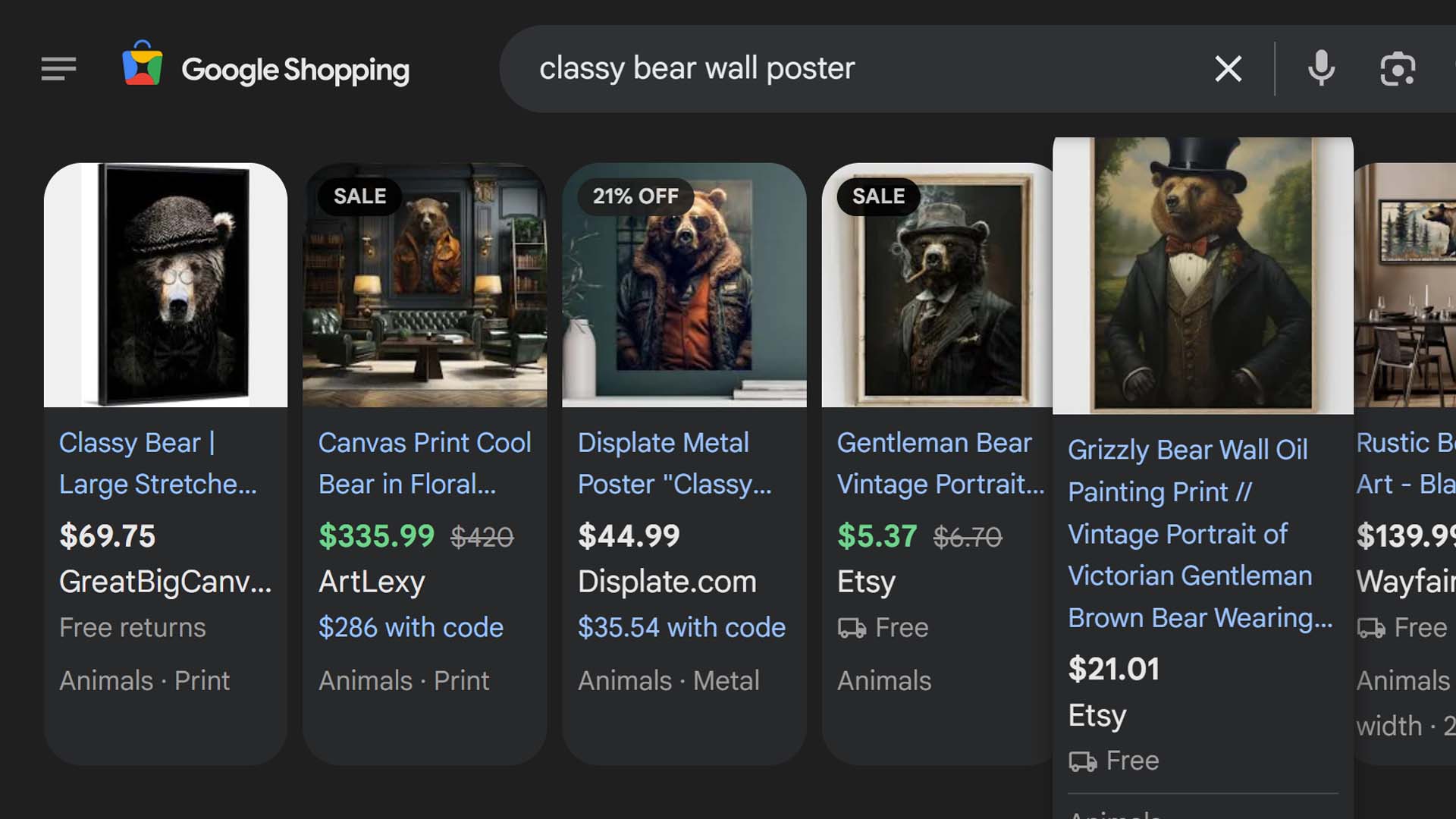
The outcome is simple: a store that scales itself — continually optimized, continually growing, without the repetitive manual labor.
Conclusion — Optimize Once, Rank Forever
Manual SEO writing can’t compete with automation built for precision and scale. The Bulk POD Product Creator effectively serves as your in-house SEO department, generating artwork-accurate titles, descriptions, and tags for every print-on-demand listing you create through it.
You no longer have to choose between building new designs and optimizing existing ones — both happen at once.
You don’t need to spend hours writing product text or worrying about missed keywords anymore. Just upload your art, and let AI handle the optimization that drives real traffic and sales.
Explore the Bulk POD Product Creator today and watch your listings climb search rankings automatically — transforming every new upload into a ready-to-rank product.