4 SEO Tools That Increase Organic Traffic For POD Stores
Overview: This guide covers four essential SEO tools that help print-on-demand sellers grow steady, sustainable traffic across any eCommerce platform. We break down how to research keywords, automate SEO-friendly print-on-demand listings, improve site performance, and optimize image filenames for search visibility. Each tool works across platforms—Shopify, Etsy, WooCommerce, or custom stores—so you can build a resilient organic traffic engine that compounds over time.
Why SEO Is the Growth Engine for Every Print-on-Demand Seller
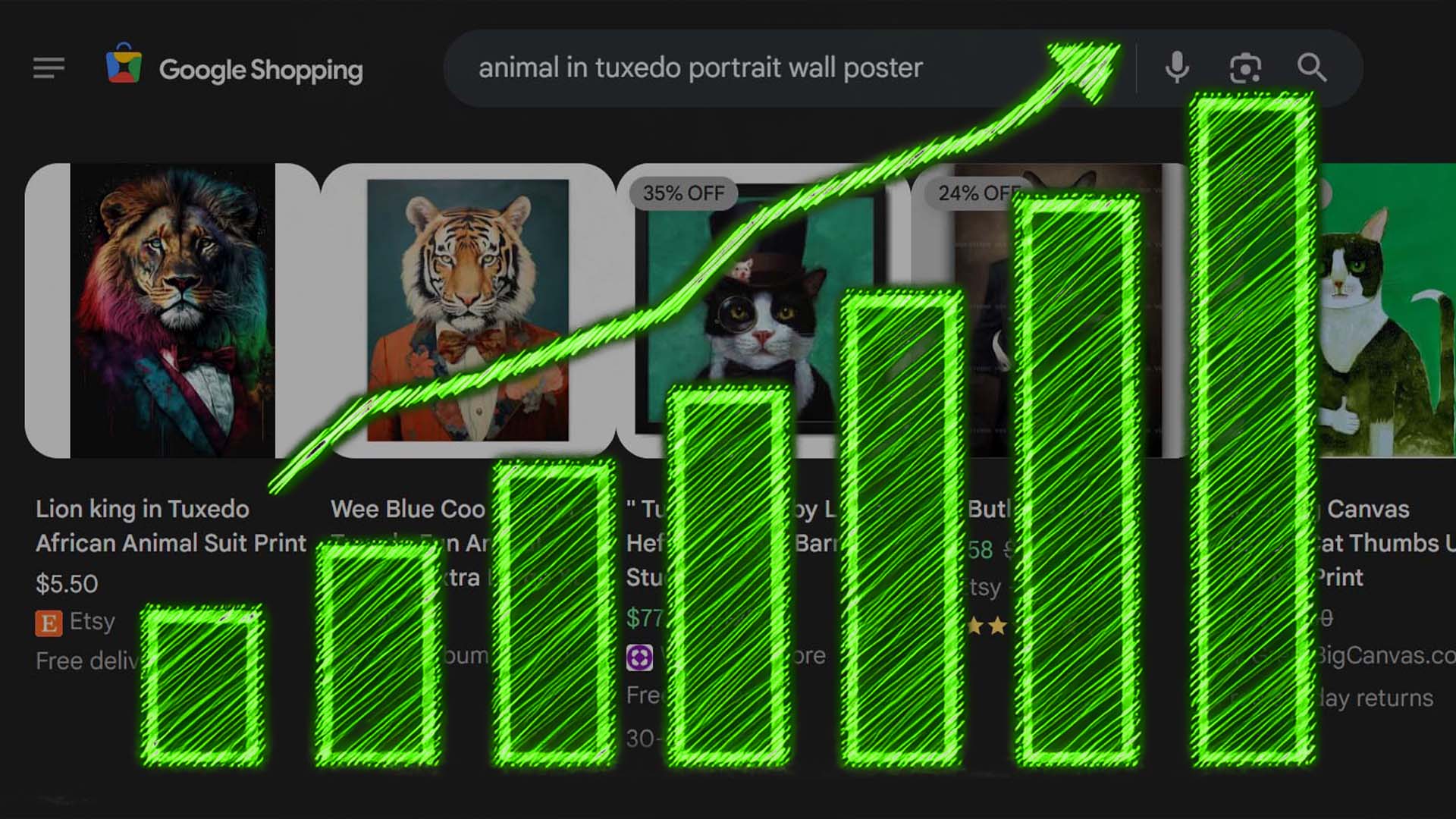
Search engine optimization isn’t a side project for print-on-demand sellers — it’s the main lever for long-term, sustainable traffic. Whether you sell through Shopify, Etsy, WooCommerce, or your own custom storefront, the same rule applies: if your listings don’t show up in search, you don’t make sales.
When a shopper types “retro cityscape wall poster” or “funny coffee mug for teachers,” search engines must decide which stores to display. That decision depends on hundreds of signals — keyword quality, metadata completeness, site speed, image naming, backlink structure, and more. Every one of those factors adds up to how visible your products become in search results.
The magic of SEO is that it compounds. Every optimized product title, alt tag, and page improvement becomes a new “entry point” into your business — one more door through which a customer can find you. And unlike paid ads, which stop producing the moment your budget runs dry, organic traffic keeps delivering results for months or even years.
That’s why the most successful POD sellers don’t rely solely on design quality or ad spend — they rely on SEO infrastructure. They use tools that automate repetitive work, surface hidden keyword opportunities, and measure performance directly against the factors search engines value most.
Below are four of the most universally useful, platform-agnostic SEO tools that every print-on-demand seller should be using — regardless of where you host or sell your products.
SEO Tool #1: Google Ads Keyword Planner (Vital SEO Research Tool)
What This SEO Tool Does & How It Works
The Google Ads Keyword Planner is one of the most underrated assets for POD entrepreneurs. While many associate it purely with advertising campaigns, its greatest value lies in the keyword data it provides — the same data Google itself uses to understand global search behavior.
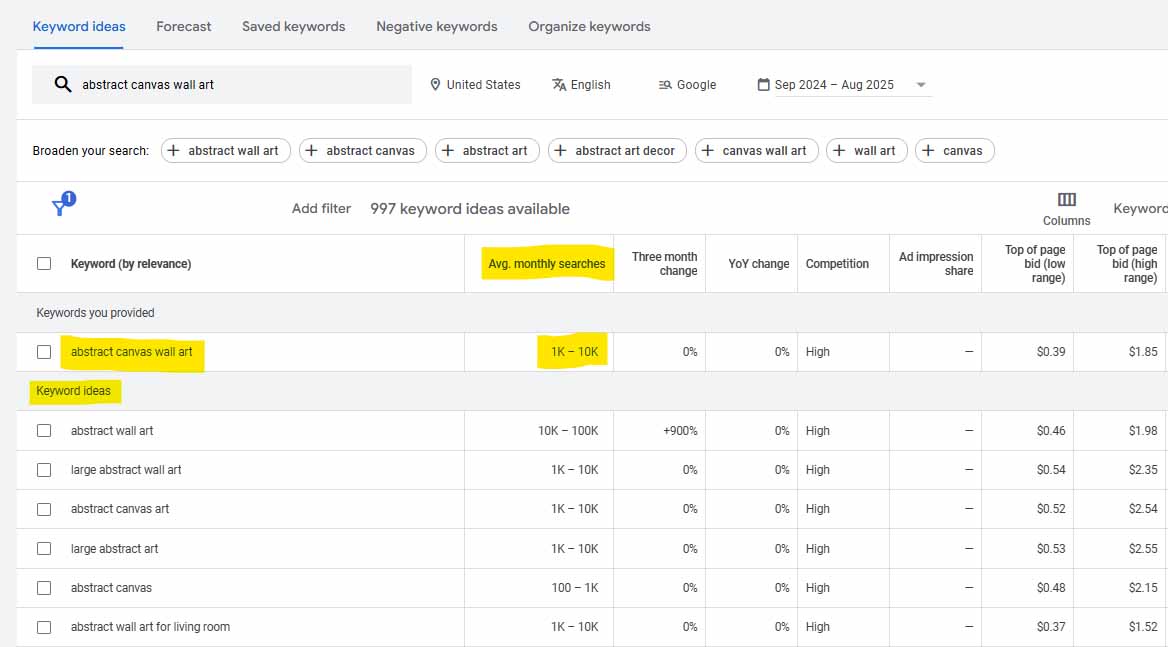
By entering a few seed phrases (for example: “canvas wall art,” “motivational t-shirt,” or “funny cat mug”), you can instantly access:
- Average monthly search volume — how many people are searching for those terms.
- Keyword competition levels — whether the term is crowded or under-served.
- Suggested related keywords — often revealing profitable sub-niches you hadn’t thought of.
- Geographic filters — showing where demand is highest, broken down by country or region.
This turns Google’s massive search database into a creative and strategic resource. You can discover which ideas are truly in demand before you invest time producing them. For example, if “boho botanical wall print” has far higher global search volume than “geometric plant poster,” that tells you exactly where to focus your next collection.
Keyword Planner’s related keyword suggestions are especially valuable for print-on-demand creators. Typing in a broad term like “poster wall art” might uncover variations such as “large landscape prints,” “vintage travel art,” or “abstract mountain canvas” — each a high-intent keyword you can weave into your product metadata.
The Benefits of Using This Tool For Your POD Business
- Eliminates guesswork. You stop hoping your products align with what people search for — you’ll know exactly what buyers are typing into Google.
- Guides design direction. By identifying high-volume, low-competition keywords, you can shape your next batch of designs around proven demand.
- Refines SEO strategy. Use location data to target strong markets or feed profitable phrases directly into your product titles, descriptions, and tags.
- Feeds your content calendar. The keyword ideas can also inspire blog topics, ad copy, and social content — ensuring every channel aligns with real search behavior.
- Completely free. All you need is a Google Ads account (no active campaigns required) to access this industry-grade dataset.
Ultimately, Google Ads Keyword Planner is more than a research tool — it’s a real-time map of buyer intent. For print-on-demand sellers, understanding how people search is half the battle; this tool hands you that insight directly from the source.
What POD Is Like Without Using This SEO Tool
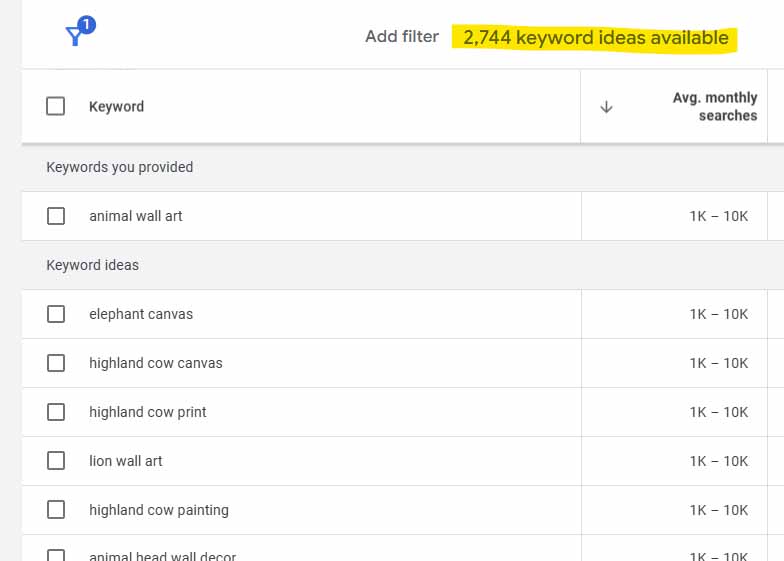
Without keyword research, most sellers build blind. They design what they think looks good or what might be trending, rather than what buyers are actually searching for. The result is often a store full of great products buried under generic terms like “cool t-shirt” or “poster print” — phrases so broad they’re effectively invisible.
You also lose the ability to prioritize effort. Without search volume data, there’s no way to tell which keywords deserve top billing in your listings and which are just noise. That’s how sellers end up spending hours optimizing for words no one types.
Google Ads Keyword Planner fixes that disconnect instantly. It gives you an objective, data-driven compass for your creative and marketing decisions — so your store doesn’t just look appealing; it’s positioned to be found.
SEO Tool #2: Bulk POD Product Creator (SEO-Optimized Print-on-Demand Product Creation)
What This SEO Tool Does & How It Works
The Bulk POD Product Creator is a comprehensive automation platform that eliminates the manual work of creating SEO-optimized print-on-demand listings. Instead of manually uploading, titling, describing, and tagging each product, you define your parameters once — and the system does the rest.

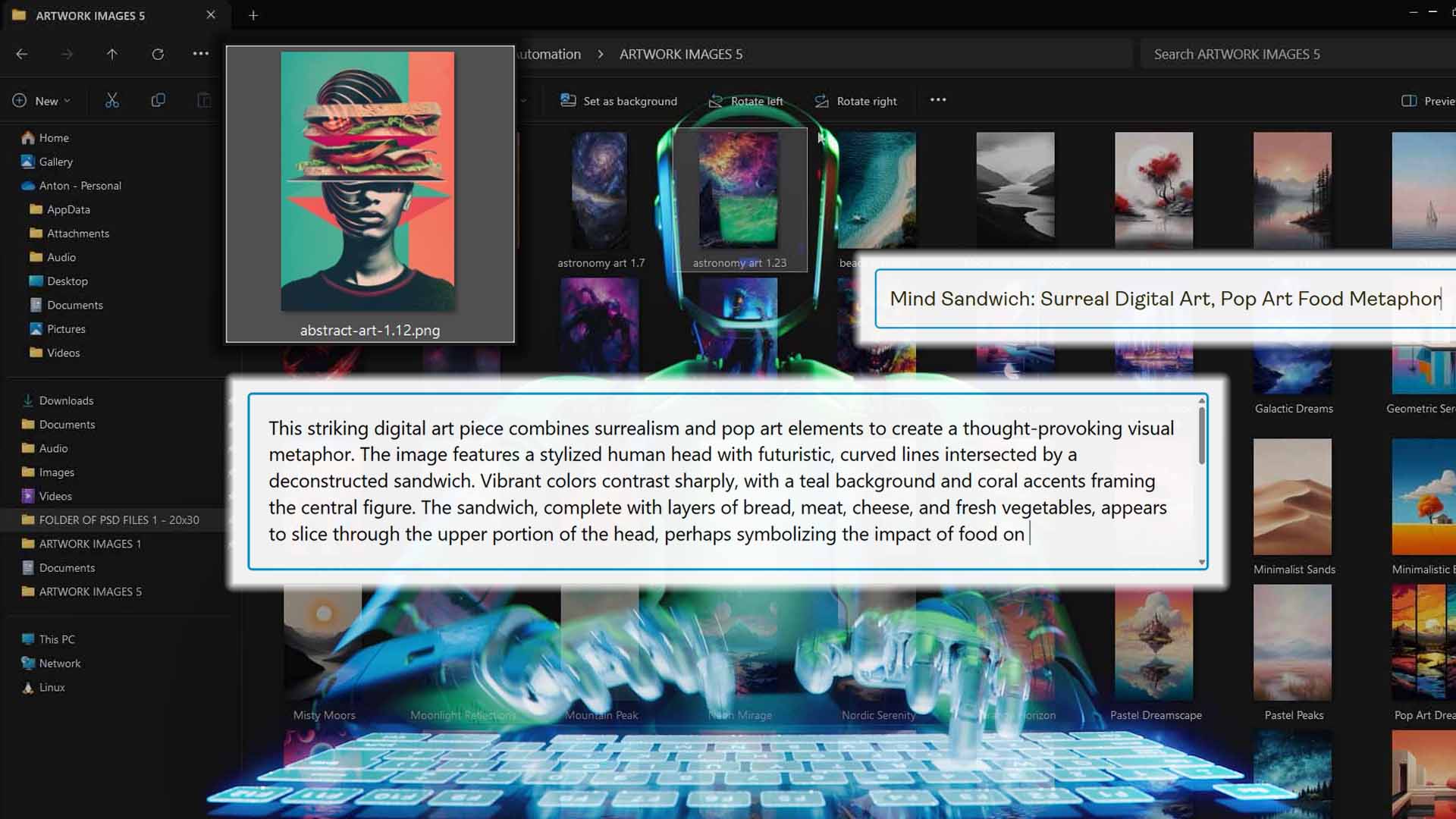
The workflow starts with a single Example Product, which establishes your structure: pricing, print areas, variants, and placement mode. From there, you upload a batch of artwork images, and the tool automatically generates entire product listings through your POD platform, complete with AI-generated titles, descriptions, and tags.
The real power lies in its AI image recognition and language-generation engine. The system actually “looks” at your artwork, identifies its subjects, colors, and themes, and then writes descriptive, keyword-rich metadata that perfectly aligns with what search engines and buyers are looking for.
For example, a digital painting of a fantasy alien planet was fed into the Bulk POD Product Creator. In the final print-on-demand product that was created, these were the SEO-optimized outputs produced by the AI features:
- AI-Generated Title: “Alien Rainbow Falls: Surreal Planetary Landscape, Otherworldly Fantasy Illustration”
- AI-Generated Description: “This breathtaking digital artwork depicts a fantastical alien landscape with a stunning rainbow waterfall cascading from towering cliffs. The scene is dominated by a massive planet looming in the sky, its swirling pink and purple surface illuminating the vibrant sunset-hued clouds. The waterfall itself is a mesmerizing spectacle, with water droplets refracting light into a brilliant spectrum of colors as they plummet into the misty depths below. The composition seamlessly blends elements of science fiction and natural wonder, creating an awe-inspiring vista that sparks the imagination. Rich, saturated colors and intricate details throughout the image draw the viewer into this otherworldly realm, making it a captivating example of surreal landscape art and planetary fantasy illustration.”
- AI-Generated Tags: “fantasy landscape art, surreal cosmic artwork, rainbow waterfall painting, planetary fantasy scene, alien world illustration, science fiction landscape, surreal environment art, vibrant fantasy artwork, extraterrestrial scenery, imaginative surreal art”
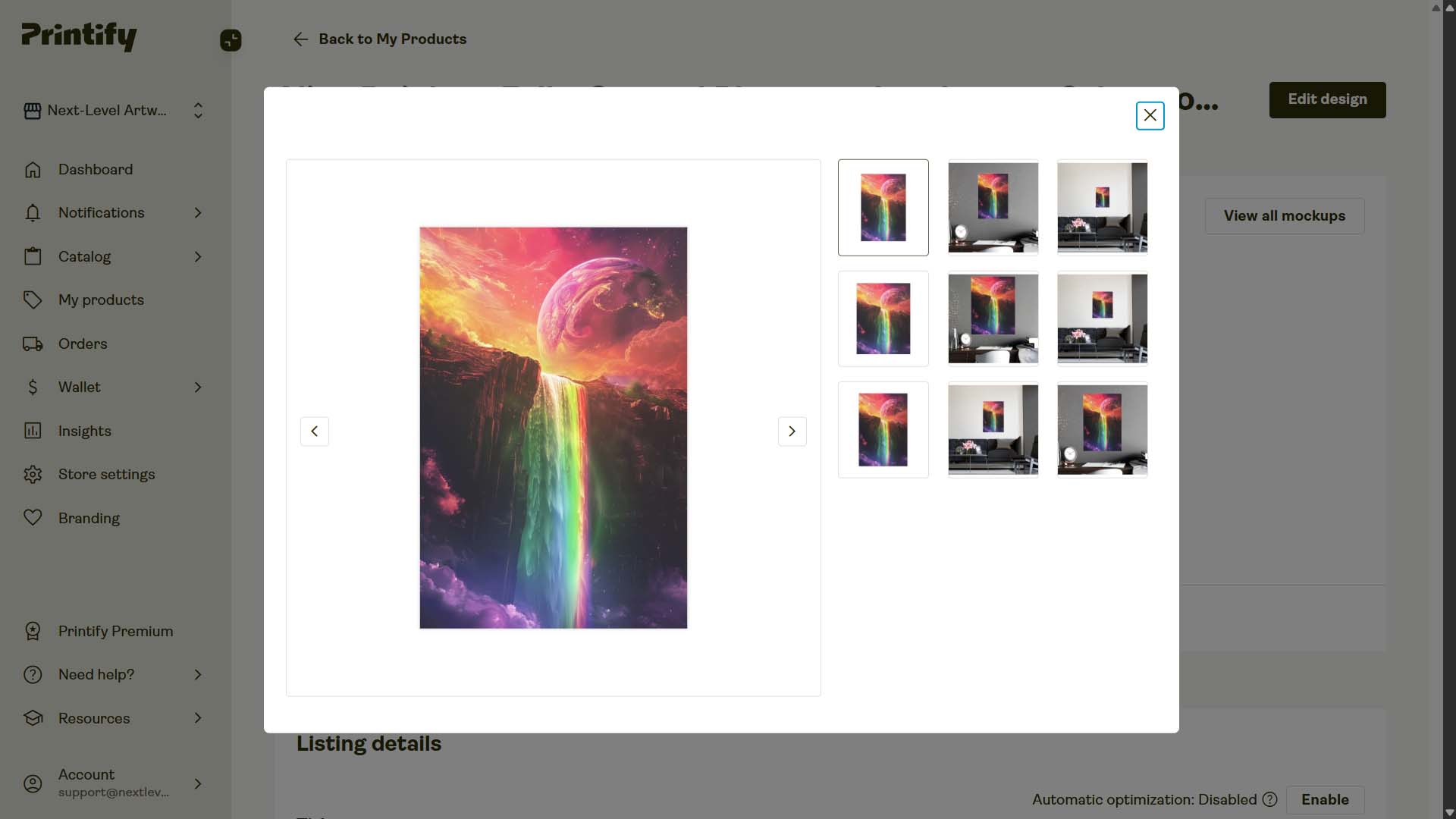
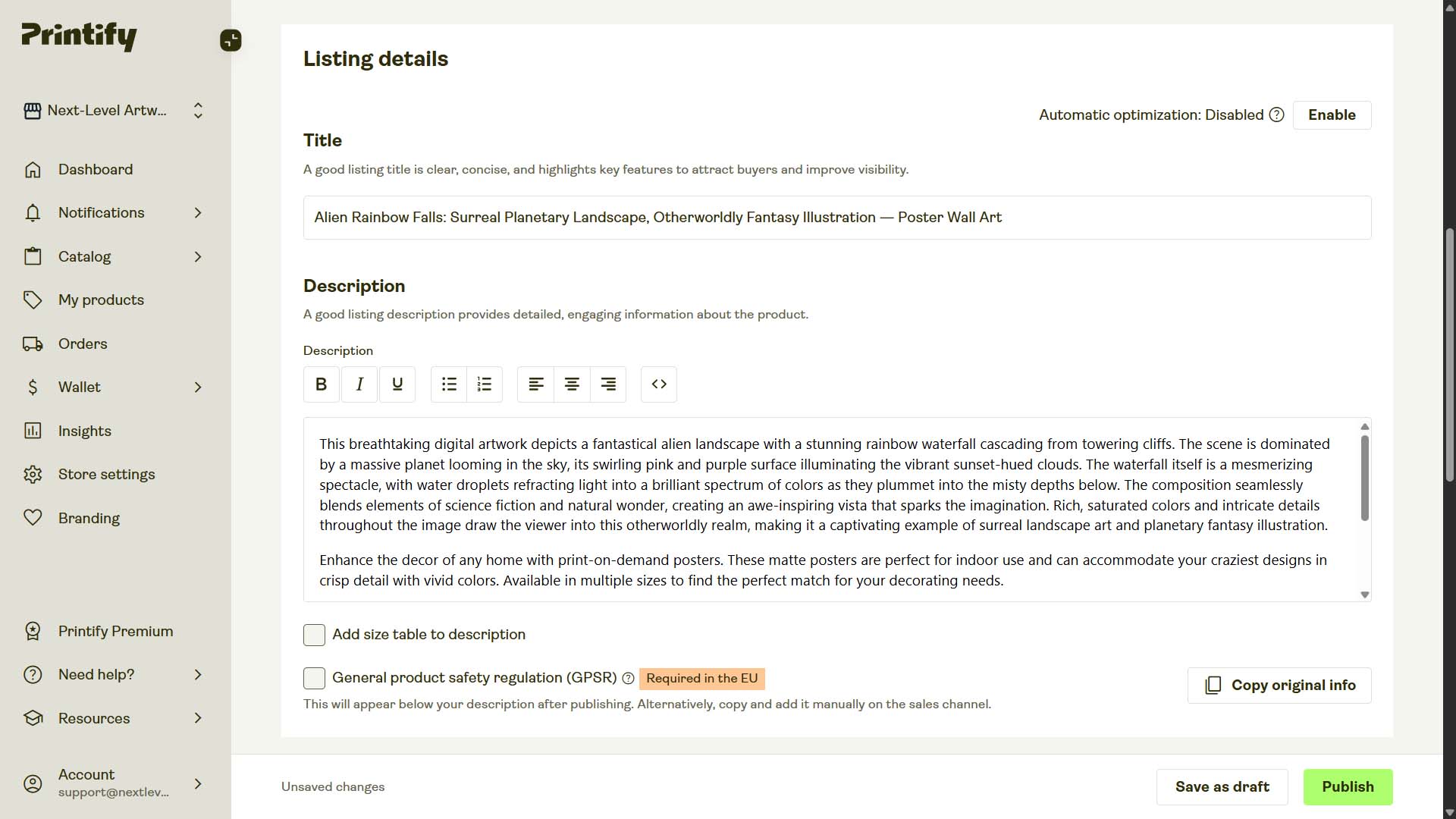
Every title and description is structured for SEO — meaning more long-tail keywords, more relevance, and more discoverability. You can also append custom text to titles to strategically inject specific high-volume phrases like “poster,” “canvas,” or “wall art.” This allows you to hit bullseye queries such as “classy dinosaur wall poster” or “rainbow astronomy-themed canvas wall art.”
And because the AI delivers maximum effort every time, your 300th listing will be just as keyword-dense and detailed as your first.
The Benefits of Using This Tool For Your POD Business
- Automated SEO at scale. Generate hundreds of fully optimized listings in minutes — each with unique, descriptive titles, tags, and copy.
- Deeper keyword coverage. AI ensures each listing includes a wide spectrum of relevant search terms that a human would inevitably overlook or tire of writing.
- Consistent quality. Uniform formatting and tone give your entire catalog a polished, professional appearance that search engines reward.
- Custom keyword control. Inject targeted keywords manually where needed while letting the AI handle the rest of the copy.
- Productivity multiplier. Replace days of manual uploading and editing with a single streamlined automation process.
The Bulk POD Product Creator is more than just a listing tool — it’s an SEO engine built specifically for POD sellers. It handles the “execution layer” of SEO: actually doing the work of writing and structuring the listings that make your products rank.
What POD Is Like Without Using This SEO Tool
Without automation, most sellers end up in a cycle of creative exhaustion. You manually upload artwork, type repetitive titles, and try to sound original on the 80th listing of the day. Eventually, fatigue sets in — descriptions shrink, tags get reused, and keyword coverage plummets.
The result? Your catalog looks inconsistent, your listings sound repetitive, and search engines reward other sellers whose content appears more detailed and structured. Worse yet, all that manual time spent writing metadata is time not spent designing or marketing.
The Bulk POD Product Creator eliminates those trade-offs. It’s like having a professional SEO copywriter and publishing assistant working in the background 24/7 — consistently generating optimized, high-quality POD listings using AI and automation while you focus on the creative side of your business.

SEO Tool #3: Google PageSpeed Insights (Site-Specific SEO Improvement Ideas)
What This SEO Tool Does & How It Works
Google PageSpeed Insights is arguably the most direct feedback mechanism you can get for improving your website’s SEO performance — because the advice comes straight from the source that determines your rankings: Google itself.
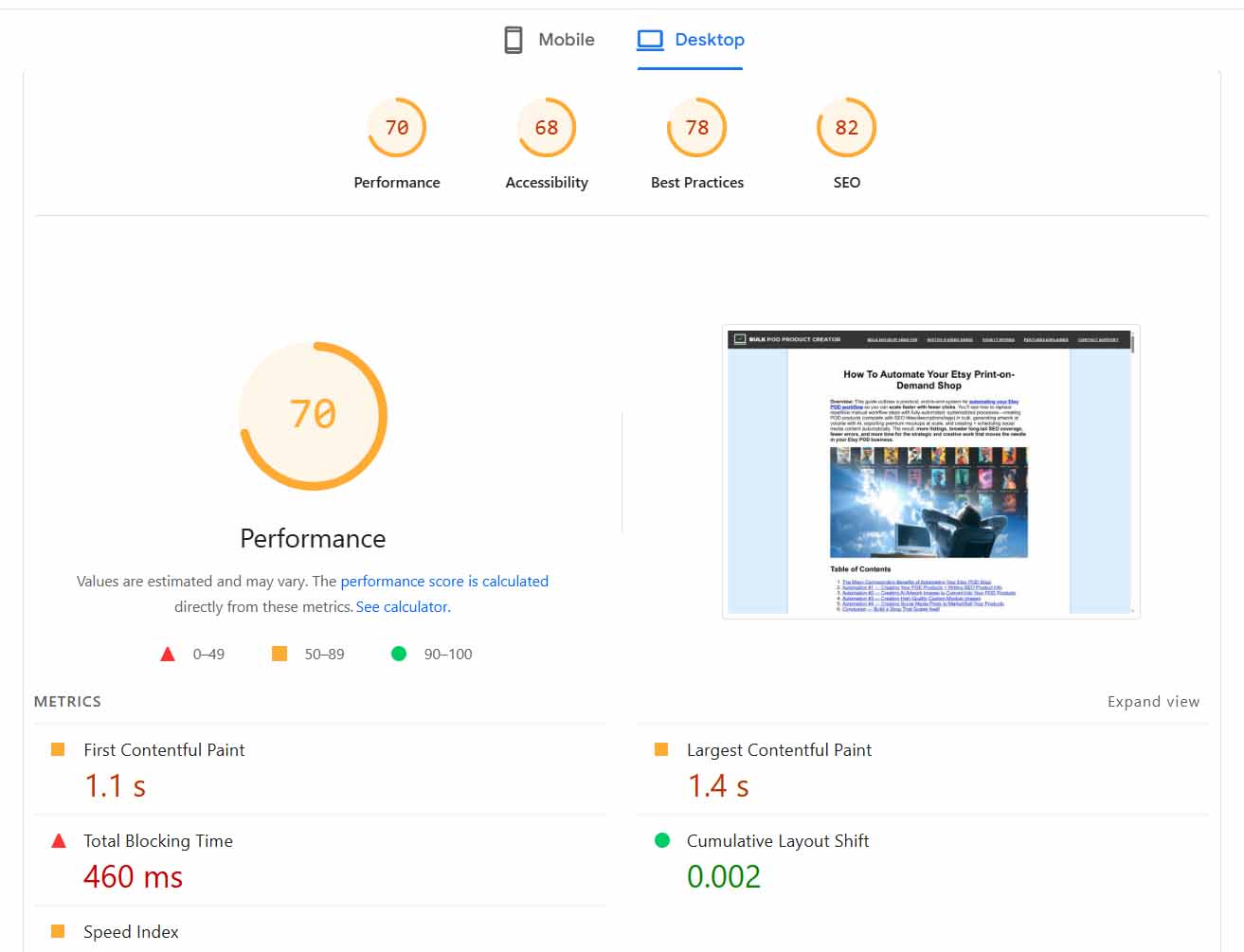
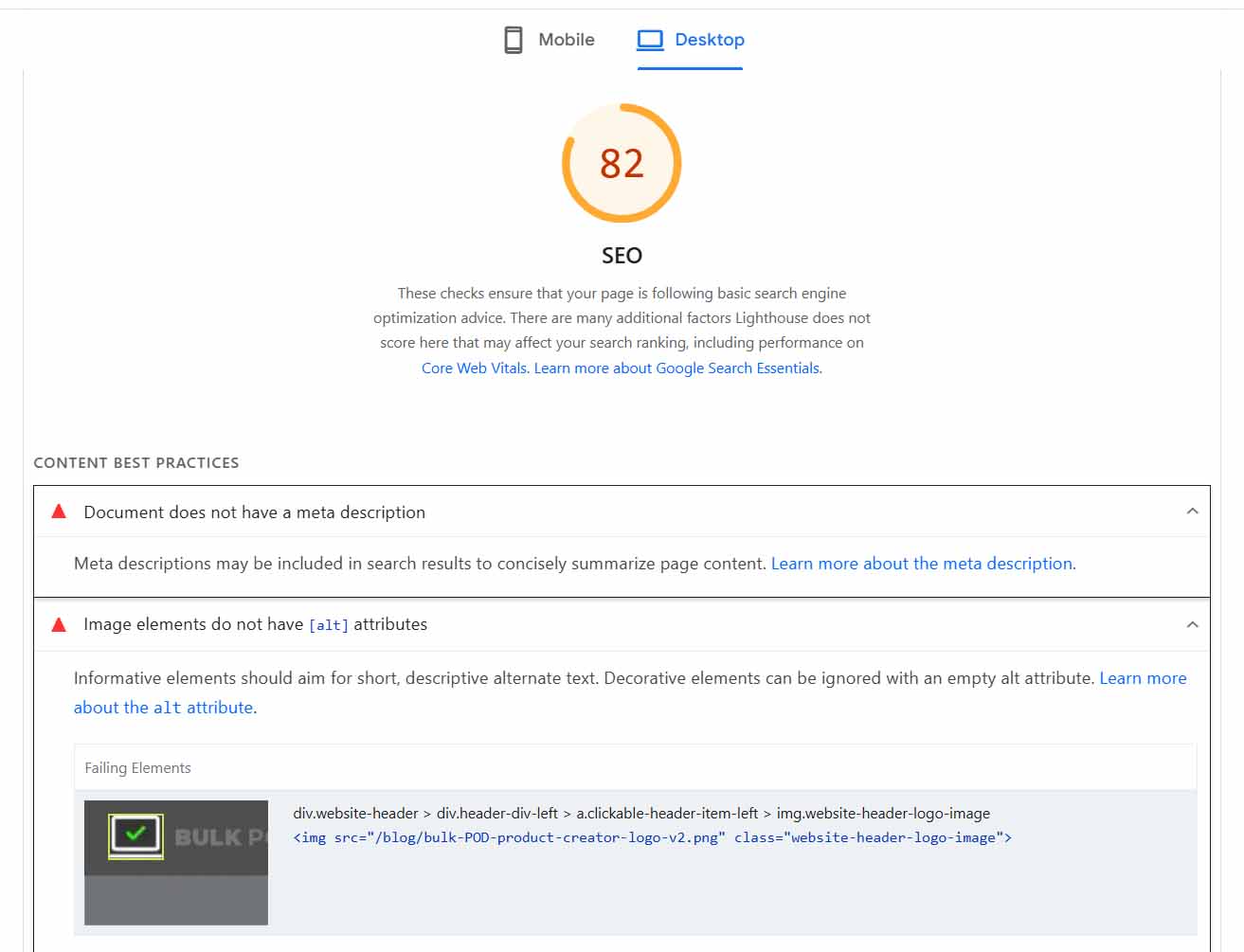
Simply enter your website URL (product page, homepage, collection page, or blog post), and PageSpeed Insights performs a deep technical audit. Within seconds, it provides a detailed performance score from 0 to 100 along with precise, line-item recommendations for how to improve.
The tool evaluates everything from load times and server response speeds to image compression, mobile responsiveness, and code efficiency. It also separates mobile and desktop reports, giving you two distinct performance perspectives. For print-on-demand stores that rely on image-heavy product pages, these insights are priceless.
Equally important is the SEO and usability overlap. Page speed directly affects how search engines rank your store because it shapes user experience — slow pages cause visitors to bounce, which signals to Google that your site might not satisfy intent.
Beyond just page speed, the tool highlights specific improvement opportunities such as:
- Minifying CSS, JavaScript, and HTML
- Optimizing or lazy-loading images
- Removing unused third-party scripts
- Reducing server response time (TTFB)
- Improving “Core Web Vitals” metrics like Largest Contentful Paint (LCP) and Cumulative Layout Shift (CLS)
Each recommendation includes an explanation and, often, a direct link to documentation on how to fix it. That makes PageSpeed Insights not just diagnostic — but educational. It’s like having a world-class SEO consultant evaluate your website for free.
The Benefits of Using This Tool For Your POD Business
- Precision SEO guidance. You’re not guessing what’s wrong — Google literally tells you which technical elements need improvement to rank higher.
- Improved site speed = better rankings. Faster pages mean better user experience, lower bounce rates, and stronger search visibility.
- Actionable to-do list. The tool provides exact, prioritized steps — from easiest fixes (image compression) to deeper technical improvements (render-blocking scripts).
- Universal applicability. Works for any POD store platform — Shopify, Etsy, WooCommerce, or a custom-coded site.
- Free and continually updated. As Google’s ranking algorithms evolve, PageSpeed Insights reflects the most current standards and expectations.
With the image-heavy nature of the print-on-demand space, this tool becomes particularly powerful. A few quick improvements — compressing product photos, cleaning up excess scripts, or upgrading your hosting — can significantly raise your site’s SEO performance scores and organic visibility.
What POD Is Like Without Using This SEO Tool
Without PageSpeed Insights, SEO optimization becomes guesswork. You might assume your site is “fast enough,” but behind the scenes, bloated image files, unoptimized scripts, or slow servers could be silently killing your search performance.
You also lose the ability to prioritize intelligently. Most site owners don’t know which changes will have the biggest impact, so they spend time tweaking minor details while major issues (like poor mobile performance) continue to drag rankings down.
By using PageSpeed Insights, you skip that uncertainty. It tells you exactly what matters most, in the exact order of importance. And because it comes directly from Google, you know that every improvement aligns with the criteria that actually determine where you appear in search results.
It’s not just an audit tool — it’s your SEO roadmap.
SEO Tool #4: Renamer.ai (AI-Powered Bulk Image File Renamer)
What This SEO Tool Does & How It Works
Renamer.ai is an AI-powered bulk file renaming tool — and while that might sound like a small detail, for print-on-demand sellers, it’s a powerful SEO accelerator hiding in plain sight.
Search engines don’t just look at page titles and text; they also index the names of the image files embedded throughout your site. When your product images are named things like IMG_4923.jpg or design-final-v2.png, Google learns nothing about the content of the image. But when they’re named descriptively — for example, astronaut-rides-motorcycle-in-outer-space.jpg — you’re signaling exactly what that image (and that product page) represents.
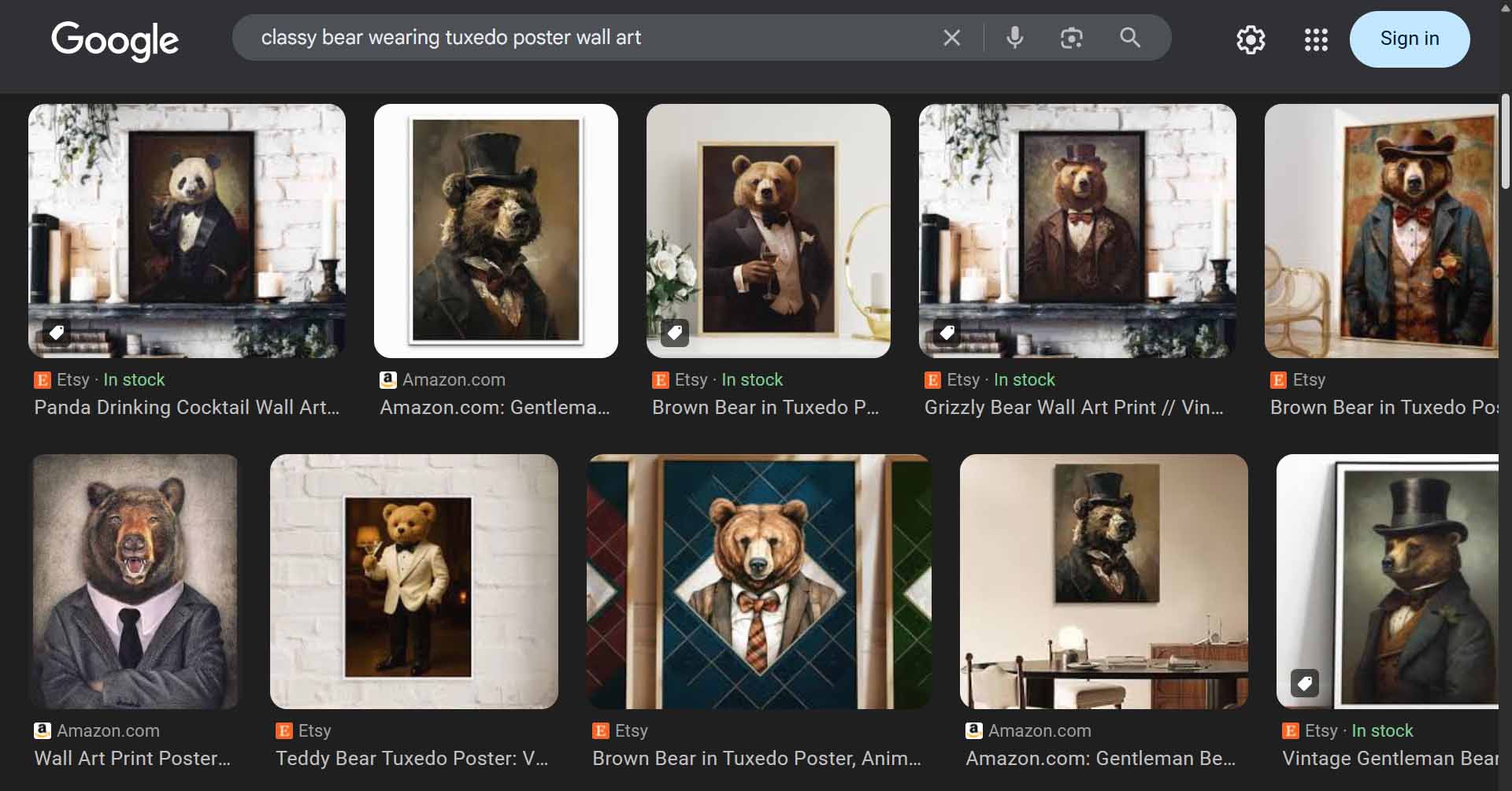
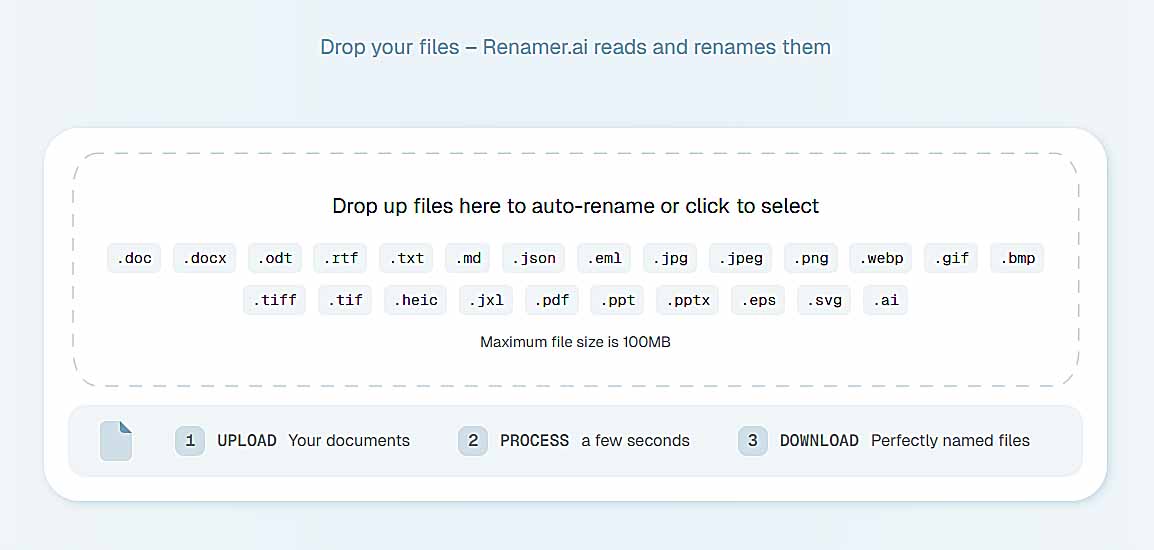
Renamer.ai automates this entire optimization layer. Instead of manually renaming hundreds or thousands of files, you upload your image set (or point the tool at a directory), and the AI instantly rewrites all filenames into SEO-optimized, keyword-rich descriptors. It analyzes each image’s content and applies meaningful, natural-language filenames that improve search visibility and make your catalog easier to manage.
The result is that your product pages become more understandable to both humans and search engines. Images start ranking in Google Images, your product URLs inherit more context, and your overall SEO footprint deepens — all without any additional writing or design work.
The Benefits of Using This Tool For Your POD Business
- Automatic, batch-level optimization. Rename hundreds or thousands of images at once — a task that would take hours (or days) manually.
- Better keyword indexing. Descriptive filenames help search engines associate your product pages with relevant search terms, improving organic visibility.
- Image search discoverability. Optimized filenames boost the odds your artwork appears in image-based search results, a major traffic source for POD products.
- Enhanced LLM and crawler understanding. Modern AI-driven search engines and content models use filenames as contextual clues; optimized names strengthen that connection.
- Time and consistency. Once configured, the tool applies standardized naming logic across your entire catalog, keeping everything clean, descriptive, and uniform.
In short, Renamer.ai does for your image files what a great copywriter does for your titles — transforms vague labels into keyword-loaded identifiers that tell search engines exactly what’s inside.

What POD Is Like Without Using This SEO Tool
Without systematic image renaming, your entire store quietly bleeds SEO potential. Search crawlers can’t connect your visuals to relevant keywords, meaning your designs won’t surface in image search — even if they’re stunning. Worse, your product pages lose additional ranking context that could have been gained automatically through better filenames.
Doing it manually isn’t realistic. Renaming hundreds of files one-by-one is tedious, error-prone, and inconsistent. Most sellers end up skipping it altogether, leaving thousands of generic filenames that contribute nothing to discoverability.
Renamer.ai removes that bottleneck. It lets you fix the problem in minutes — instantly aligning every image file in your catalog with the same keyword logic that drives your written SEO. It’s a small adjustment that compounds into big visibility gains over time.
Conclusion: Building an Organic Traffic Engine That Works for You
SEO success for print-on-demand sellers isn’t about luck — it’s about systems. Every small optimization you automate becomes a permanent multiplier on your store’s reach.
Google Ads Keyword Planner gives you the language of your buyers — hard data about what they’re searching for and how often.
Bulk POD Product Creator executes on that data, automatically generating keyword-dense, AI-written titles, descriptions, and tags for every POD product you publish.
Google PageSpeed Insights keeps your technical foundation fast and search-friendly, ensuring your site loads quickly and meets Google’s highest standards.
Renamer.ai strengthens the last mile of SEO — giving every image a meaningful, discoverable identity that helps your products appear in more search surfaces.
Individually, each of these tools delivers meaningful improvements. But together, they form a self-reinforcing SEO framework: research feeds creation, creation drives optimization, and optimization improves visibility. That’s how traffic growth becomes predictable instead of accidental.
The print-on-demand landscape is crowded, but most sellers still rely on intuition rather than data or automation. Those who combine both — smart insights with efficient execution — steadily rise above the noise.
With these four tools in place, your POD store isn’t just producing beautiful products. It’s operating as a finely tuned SEO engine — one that keeps attracting customers, increasing sales, and compounding organic traffic long after the work is done.